1. Assess the property
A walk around the property shows how large the search is, from one corner of a yard to a whole building.
Hull, IA · Sioux County
Clearing out a relative's home or a storage unit in Hull and found syringes? Call (877) 812-4220. A cleanup team can search every drawer, remove the sharps and disinfect the area.
If anyone is in danger, call 911 first. For a suicide crisis, call or text 988.
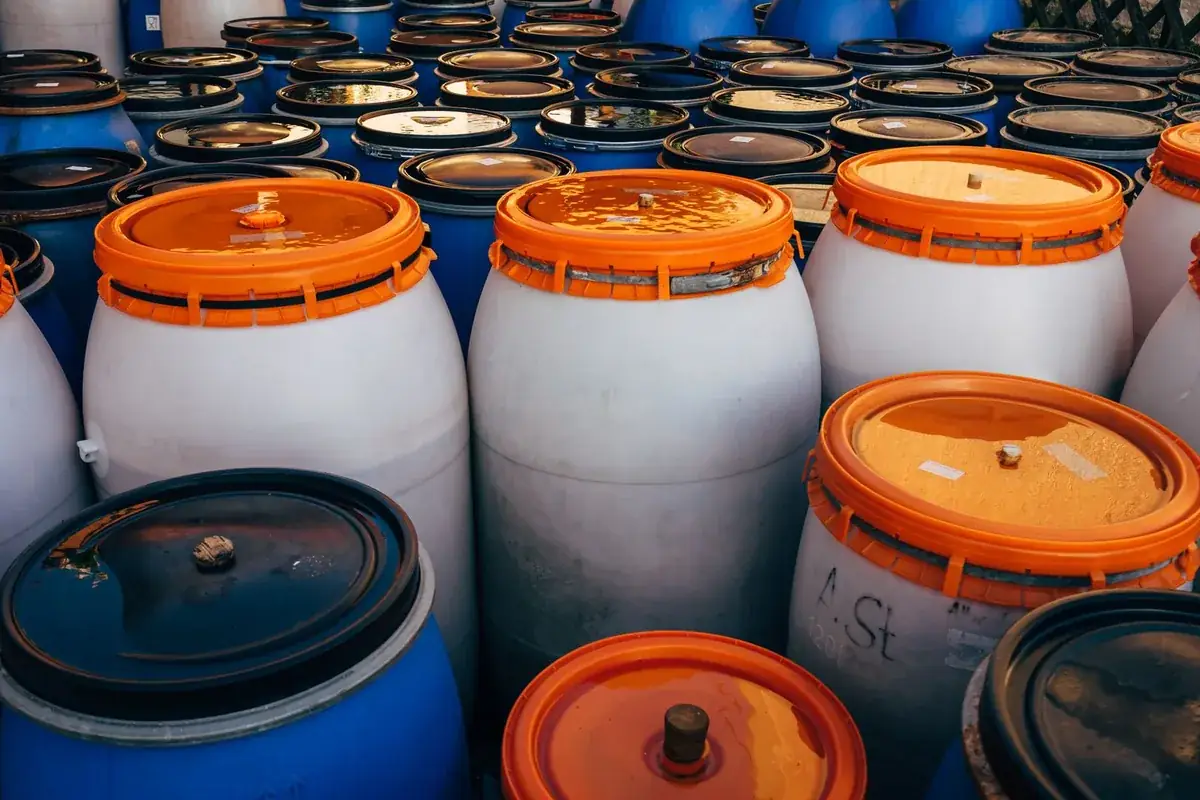
Needle removal is the work of finding and lifting loose sharps without risking a stick. It covers outdoor lots, rental units, restrooms, storage areas and any place where syringes may have been left.
If your school, church or small business in Hull finds needles outside, you can get calm, step-by-step cleanup from Hull Biohazard Cleanup Help. Crews search, collect and dispose of sharps across Sioux County and explain what they found.
The vacancy rate in Sioux County is only about 4%, so most needle calls come from occupied homes, rentals, yards and businesses. After a needle stick, wash with soap and water and get medical care. Sioux Center Health in Sioux Center is the closest emergency room to Hull.
A typical needle & sharps cleanup job includes:
A walk around the property shows how large the search is, from one corner of a yard to a whole building.
Long tools let the crew lift sharps without reaching. Nothing is picked up by hand.
Needles, syringes and any other sharps are gathered and sealed as they are found.
Containers go to a facility that treats medical waste, and the owner can ask for a record of what was found.
The cost of needle & sharps cleanup in Hull, IA depends on the amount of material, how it is packed and how it is hauled.
Access can raise or lower the price. Locked units, stairs, fences and long travel distances all play a part.
| Type of job | Typical range |
|---|
These ranges come from published cost guides () and are not a quote for Hull. Price drivers include number of items, where they are found, whether a sweep of a large area is needed, waste disposal. For a real number, call (877) 812-4220.
Yes. Dogs and cats may sniff, chew or step on sharps. Keep pets away from the area until a cleanup team has searched it. If a pet is stuck or swallowed something, call a veterinarian right away.
Safer options exist. Many cities and health departments have programs for found needles and may give instructions or send someone. If you are unsure, do not touch it. Leaving a needle in place and keeping others away is safer than risking a stick.
Wash the area with soap and water and get medical care right away. Call 911 in an emergency, or Poison Control with exposure questions. Tell the doctor what happened and where the needle was found, if you know. Do not wait to see whether symptoms appear.
Loose needles should not go in household trash, because they can stab sanitation workers. Rules for small amounts of household sharps vary by city and county. The local health department can say what is allowed, and a cleanup team can take larger amounts.
The crew cleans and disinfects surfaces where sharps lay, bags soiled items for disposal and checks the area again. If odor or residue is present, the team can address it or suggest the next step.
Yes. Insulin pen needles, lancets and similar small devices are sharps, even though they are used for health care. They should go into a rigid container, never loose into trash.
One call can start a sweep for a yard, a rental or a whole building.
Call (877) 812-4220